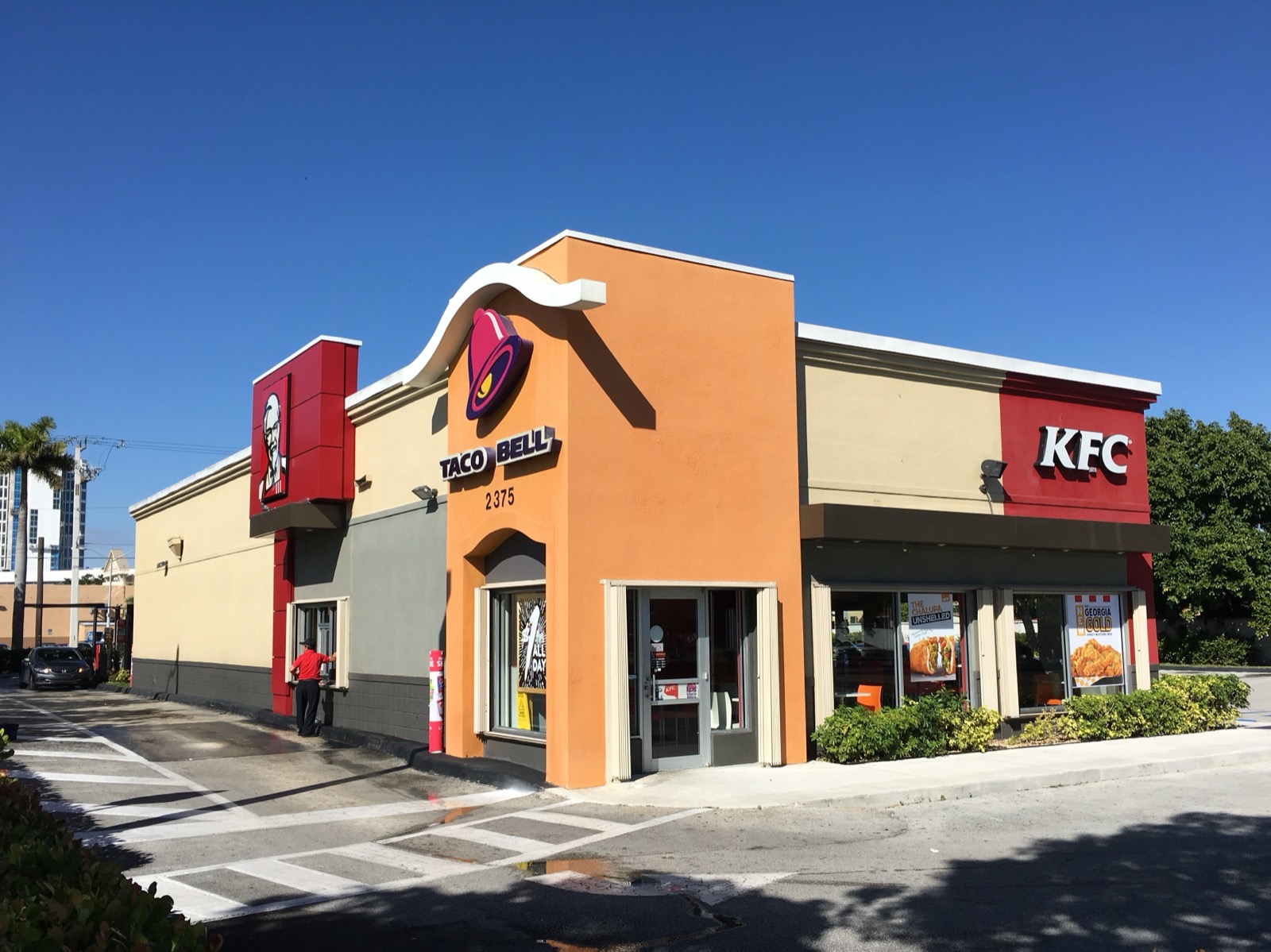
Franchise ownership is sometimes described as being “in business for yourself, but not by yourself.” The phrase captures support, but it can hide the harder half of the bargain. The franchisee is still responsible for a local business with employees, food safety, customer service, repairs, compliance and cash flow. The system provides boundaries; it does not remove execution.
Start with the calendar
Restaurant problems do not limit themselves to office hours. Openings, closings, weekends, holidays, equipment failures and staffing gaps all need reliable leadership. A multi-unit organization can distribute those demands, but a first-time operator must still build the management structure and remain accountable for results.
Ask how many hours you can realistically commit during development, opening and stabilization. If another career, distant residence or family obligation makes active oversight impossible, confirm whether the franchisor’s current requirements and your proposed management plan are compatible. Do not assume that hiring a general manager instantly converts the business into a passive asset.
Capital has more than one layer
Financial qualification is only the entry gate. A complete plan separates personal liquidity, equity invested in the project, borrowed funds, development costs, pre-opening expenses and working capital after opening. It also preserves a household reserve that is not dependent on restaurant performance.
| Capital layer | Examples | Question to ask |
|---|---|---|
| Site and development | Lease, land, design, permits, construction and utilities | Who bears overruns and delays? |
| Restaurant system | Equipment, signage, technology, smallwares and opening inventory | Which vendors and specifications are required? |
| Opening | Training, hiring, payroll, launch activity and local licenses | When does cash begin leaving the account? |
| Working capital | Food, labor, utilities, repairs and debt service during ramp-up | How long can the unit operate below plan? |
| Future obligations | Remodels, equipment replacement and technology upgrades | What can be required during the term? |
Never use an online investment range as a budget. The current FDD may present estimated initial investment information, but a specific project depends on format, real estate, jurisdiction, financing and construction conditions. Build a detailed sources-and-uses schedule with written support.
Experience should match the work
Restaurant experience is valuable because it teaches pace, food safety, labor deployment and customer recovery. Multi-unit management, retail operations or another process-driven business can also build relevant skills. The key is evidence that the candidate can lead managers, read operating statements, enforce standards and improve execution without improvising away the brand system.
A candidate with strong finance skills but no restaurant background should identify the experienced operating leader early. A strong restaurant operator who has never managed a development project needs real-estate, construction and financing expertise. No individual must possess every skill, but the team must cover them before commitments become expensive.
System fit is personal
Franchisees do not have the same freedom as independent restaurant owners. Product specifications, approved suppliers, branding, technology, marketing programs and operating methods can be prescribed by the system and agreements. That discipline is part of what customers recognize, yet it can frustrate an entrepreneur who wants to change the menu or source freely.
Five conversations before an application advances
- Your household: discuss time, guarantees, liquidity and the possibility of a slower ramp.
- A franchise attorney: understand the agreement, defaults, renewal, transfer and personal obligations.
- A qualified accountant: test capitalization, tax structure and conservative scenarios.
- Current and former franchisees: ask about labor, support, capital spending, supplier relationships and actual workload.
- Lenders and real-estate specialists: learn what financing and sites are realistic before choosing a market emotionally.
A simple red-flag screen
Pause if the plan depends on immediate profitability, full absentee ownership, a single optimistic sales forecast or spending nearly all available liquidity before opening. Pause if advisers are discouraged, disclosures feel rushed or unwritten promises are doing most of the selling. Pause if the candidate likes the product but dislikes managing hourly teams. Those are not minor details; they reach the center of the business.
Bottom line
The best prospective KFC franchisee is not merely a fan with enough cash. It is an approved, well-capitalized operator—or operating organization—that understands restaurant intensity, accepts system rules and can survive uncertainty without starving the unit of resources. If that description feels energizing rather than burdensome, the next step is document-based due diligence.