Harland Sanders built his reputation serving travelers in Corbin, Kentucky, where his roadside food business developed before the KFC chain existed. The familiar “Colonel” title was an honorary Kentucky designation, and the public persona eventually became inseparable from the brand. Yet personality alone could not create a repeatable restaurant network. The decisive step was franchising.
The product needed a system
Fried chicken poses operational challenges. Bone-in pieces require consistent preparation, safe handling and timing. Sanders became known for a seasoned recipe and pressure-frying method that could produce food faster than some traditional pan-frying approaches. For franchising, those elements had to be communicated and protected as a process rather than performed only by one cook.
In 1952, Sanders entered an early franchise relationship with Utah restaurateur Pete Harman. Histories of the brand credit Harman with helping shape language and presentation that became central to Kentucky Fried Chicken, including the family-meal bucket concept. Their collaboration illustrates a broader franchise truth: successful systems often emerge through exchange between a brand founder and operators who understand local restaurant execution.
Highways changed the original business
Road development redirected traffic away from Sanders’s Corbin operation, undermining the location that had built his reputation. Instead of ending the business, Sanders traveled to license the chicken concept to other restaurant operators. The story is often simplified into a tale of late-life persistence, but it also demonstrates a practical shift from owning one roadside demand point to distributing a method through other businesses.
The franchise arrangement allowed local operators to invest in restaurants while the concept spread beyond Kentucky. Standardization became increasingly important as the network grew. Customers needed to recognize the product and presentation in different cities, while operators needed procedures, supply relationships and marketing that could work at scale.
Corporate ownership and international growth
Sanders sold the company in the 1960s while retaining a public promotional role. KFC subsequently passed through several corporate owners and expanded in the United States and internationally. The brand later became part of the restaurant company now known as Yum! Brands, alongside Taco Bell and Pizza Hut.
That corporate history matters to a franchise review because the modern opportunity is not an informal recipe license from the founder. It is participation in a mature system with contracts, technology, marketing programs, development requirements and operating standards. The nostalgic image and the current business structure are related, but they are not the same thing.
What the history explains about today’s restaurants
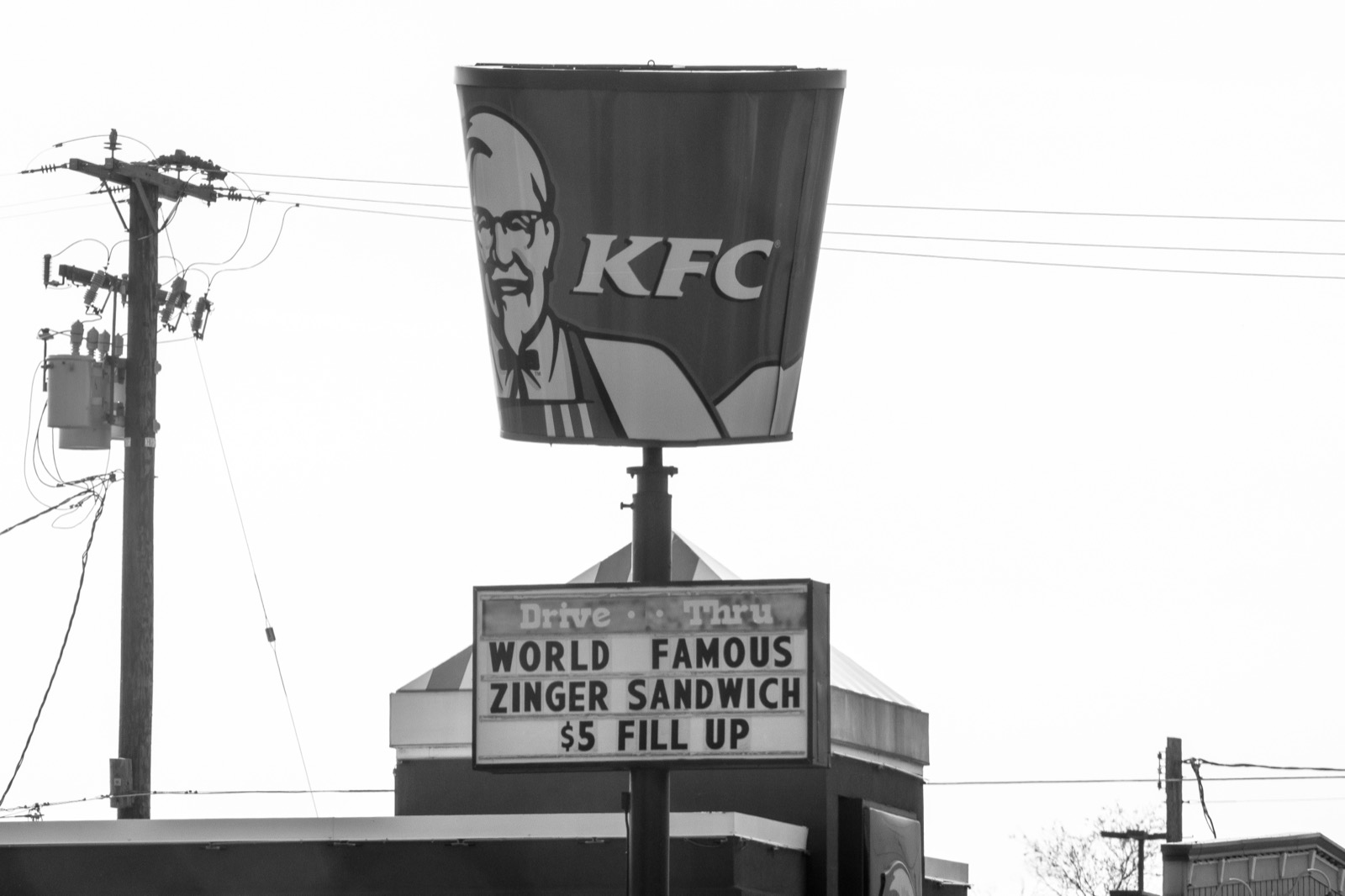
Several elements of the current customer experience make more sense in historical context. Bone-in chicken remains suited to sharing, which is why bucket and family-meal language has lasting power. The Colonel image gives an otherwise standardized chain a personal origin story. Drive-thru and takeout service continue the brand’s relationship with travelers, even as delivery apps add a new route to the table.
History also explains why consistency is the central challenge. A recipe associated with one cook has become food prepared by large numbers of restaurant teams. Equipment, training and supply standards try to narrow variation, while local staffing, demand and execution still create differences. An honest reviewer should recognize both realities.
Why we avoid the legend trap
Brand history is valuable, but it should not be turned into an investment argument or a food-quality guarantee. A long operating history can indicate durable recognition and accumulated system knowledge. It cannot prove that a specific site will succeed or that every visit will match memory. Current menus should be confirmed through KFC, and current franchise obligations should be confirmed through official disclosure.
KFC’s lasting achievement is not only that Americans recognize the bucket. It is that a roadside restaurant idea was translated into a system legible to customers and operators around the world. That translation remains the context for both our restaurant reviews and our franchise caution.