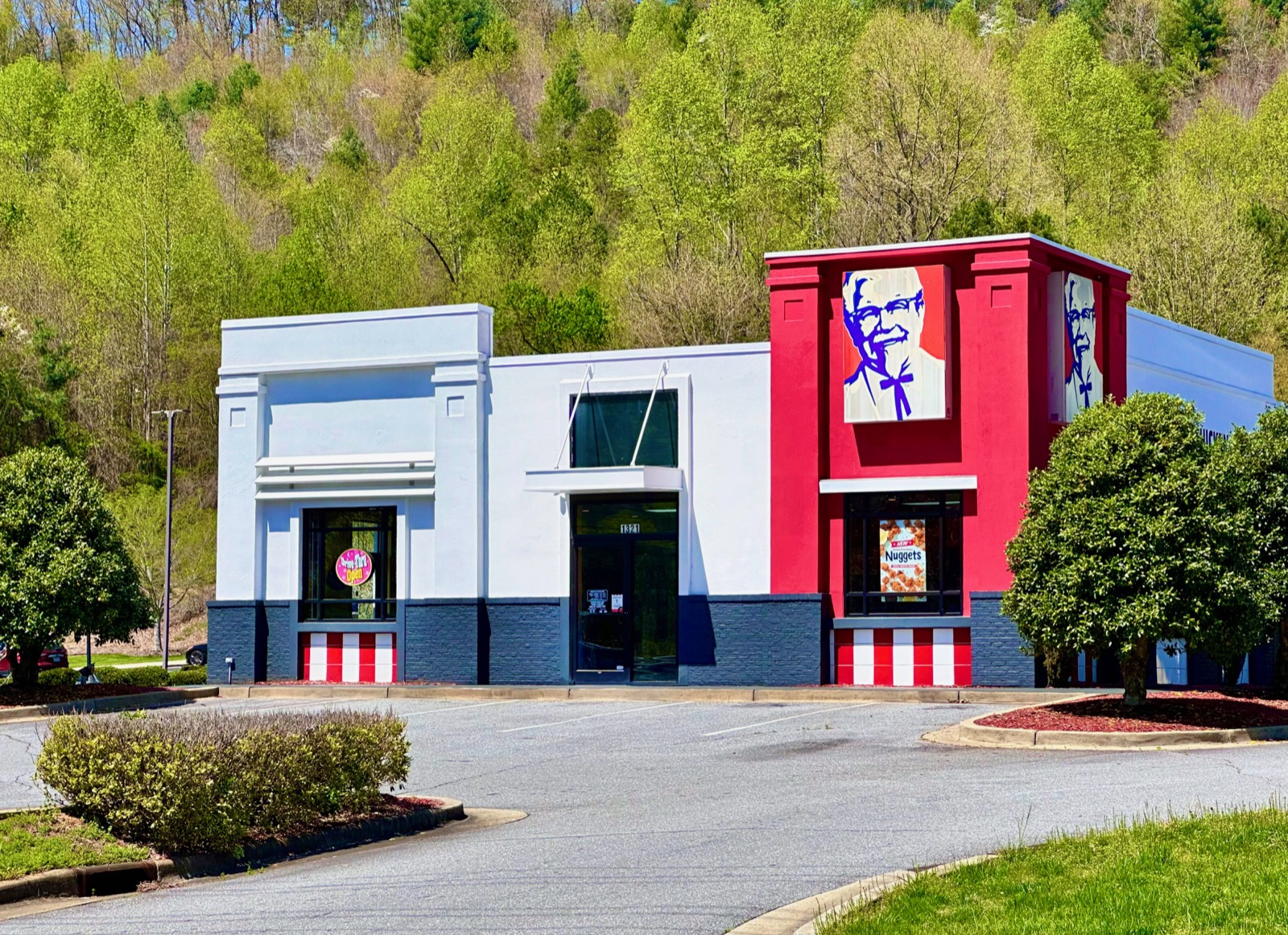
The drive-thru suits the American roadside version of KFC: familiar food, minimal walking and a quick return to the route. It works particularly well for a simple individual meal or a preplanned family order. Its weakness is not necessarily food quality; it is the narrow handoff window where a guest must confirm a complicated bag while another car waits behind.
Why chicken orders are unusually easy to misread
Bone-in meals can involve piece counts, recipe choices, sides, biscuits, sauces and drinks. Family meals multiply those components. The guest may also care about piece preference, but exact pieces are not always guaranteed and availability can constrain substitutions. A speaker conversation with road noise is a poor place to improvise all of that.
Review the local digital menu before joining the lane. Decide the meal size and sides, then keep one backup choice in mind. At the speaker, listen to the read-back and correct the order there, not at the payment window. If the display shows an itemized order, use it.
What speed really means
A short line can move slowly if a large order is being completed, while a longer line can move steadily under an organized team. Our review does not reward speed at any cost. The better measure is predictable movement with accurate communication. Being asked to park briefly can be reasonable when it allows freshly prepared food to finish without blocking every customer behind.
Peak meal periods create tradeoffs. High turnover may mean fresh batches, but staffing and demand also raise the chance of a rushed handoff. Very late visits may be quieter yet face a narrower product selection. That is why a useful review records the approximate time and queue instead of treating every visit as equivalent.
The drive-thru bag audit
Match the receipt
Confirm meal size, recipe or product type, side choices and drinks.
Count the containers
Look for every side, sauce, biscuit package and sealed main-food container.
Check temperature cues
Hot food should feel warm through the packaging; cold drinks should be separated when practical.
Fix the specific issue
Return calmly with the receipt and name the missing or incorrect item clearly.
Food choices that fit a car
Handheld items are easier for a solo traveler, but eating while driving is a safety risk and sauces can turn a simple meal into a distraction. Bone-in chicken is best saved for a stop. Fries and crispy coatings lose quality as steam builds, so avoid sealing the food in an insulated bag for longer than necessary. Drinks need a stable cupholder, and large family containers need a level surface.
Value also changes at the window. An apparent deal can become waste if the order is larger than the group needs. Compare per-person fit rather than only the biggest bundle. Prices and promotions vary, so use the current restaurant menu—not a screenshot from another city.
Bottom line
The drive-thru is KFC’s most convenient compromise. It trades the immediate visibility of dine-in for privacy and speed, then asks the customer to perform the final accuracy check. For a simple order, the format can be efficient and satisfying. For a large customized meal, ordering ahead and checking from a parking space is usually the calmer approach.